
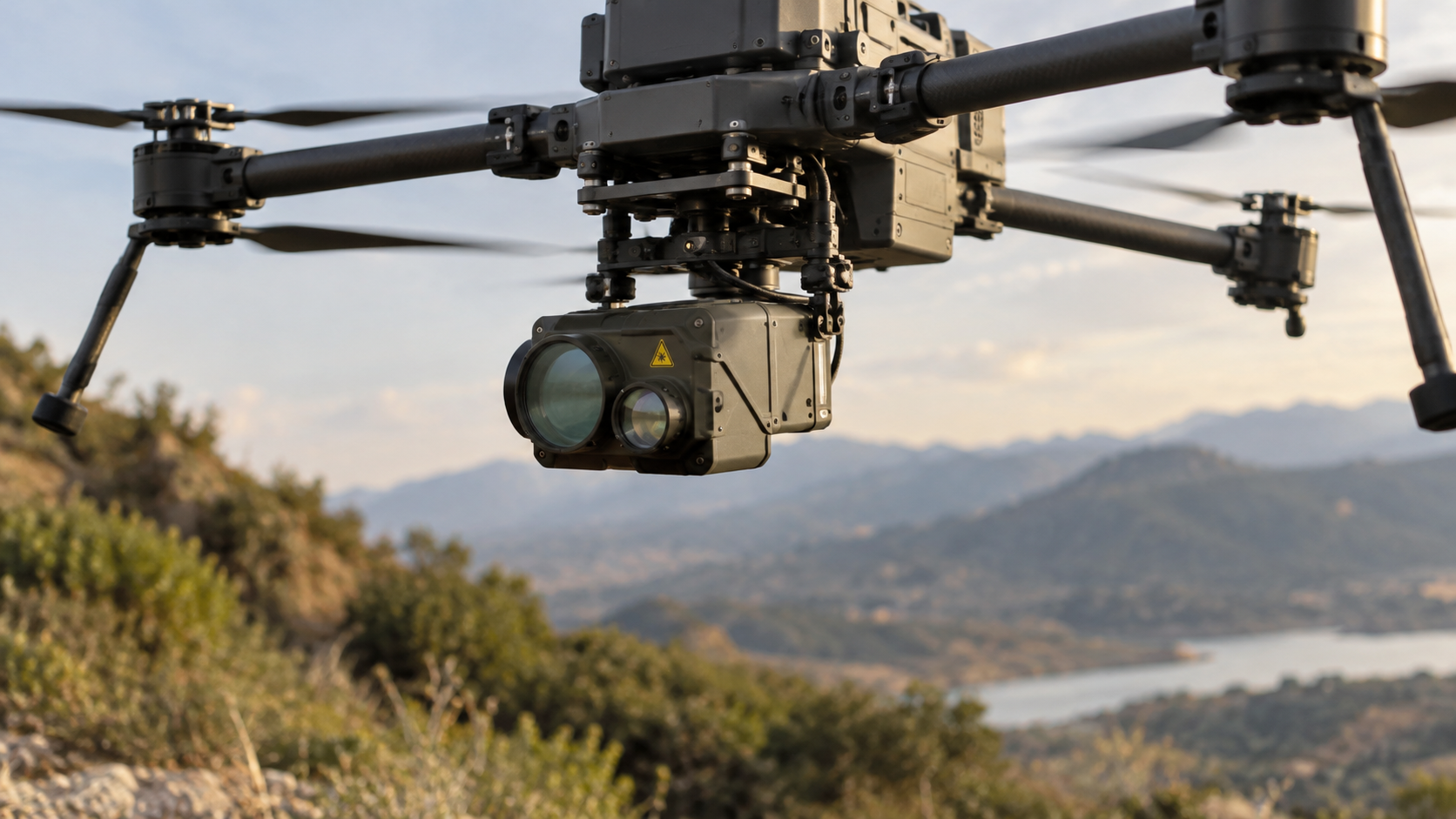

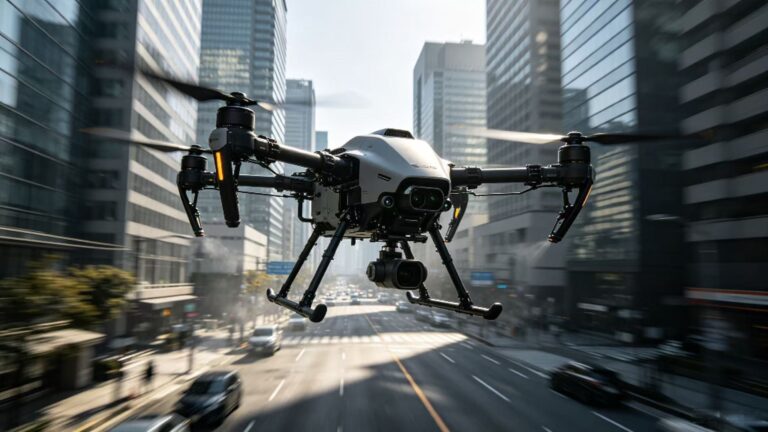
فيما يتعلق بالفعالية التشغيلية للأنظمة الضوئية الإلكترونية المخصصة لمكافحة الطائرات بدون طيار على ارتفاعات منخفضة، تُعد قدرة وحدة تحديد المدى على اكتشاف الأهداف الصغيرة وقدرتها على التكيف مع البيئة من بين العوامل المؤثرة الأساسية. ففي البداية، غالبًا ما تواجه وحدات تحديد المدى الصناعية ذات الأغراض العامة، التي لم يتم تكييفها لسيناريوهات مكافحة الطائرات بدون طيار، قيودًا في المدى الفعال للأهداف الصغيرة، وقمع التشويش في المجال القريب، والتعرف على الصدى المتعدد، وتكامل النظام.
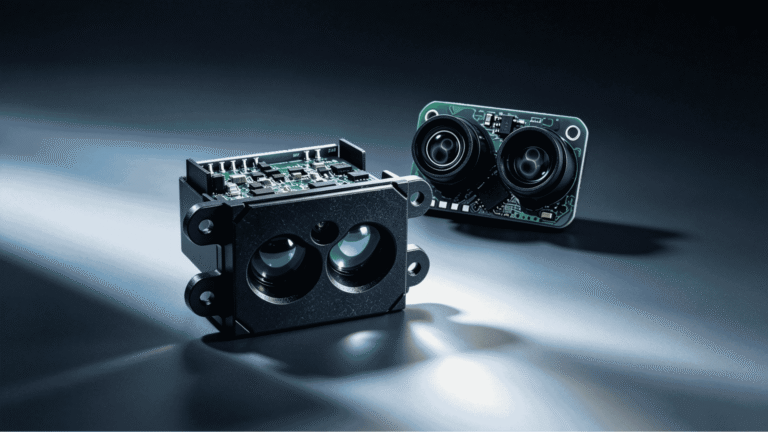
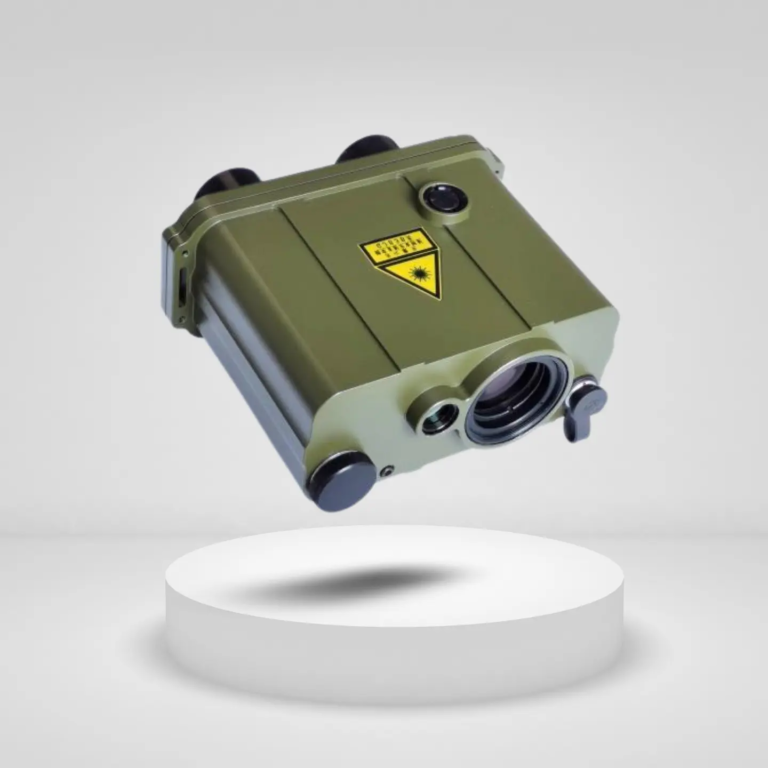
لمواجهة هذه التحديات،, أطلقت شركة SunFlaser سلسلة SFL/SFD الكاملة من وحدات قياس المسافات بالليزر الآمنة للعين، والتي تم تحسينها خصيصًا لتطبيقات مكافحة الطائرات بدون طيار. وعلى وجه التحديد،, تغطي هذه الوحدات تدرجات في المدى تتراوح بين 1.6 كم و8 كم، مما يجعلها مناسبة للمنصات خفيفة الوزن، والأنظمة المثبتة على المركبات، ومواقع المراقبة الثابتة. علاوة على ذلك،, يقدم جدول مواصفات المنتج مؤشرات المدى المقابلة للأهداف النموذجية للطائرات بدون طيار، مما يوفر مرجعًا لاختيار مدى الأهداف الصغيرة في سيناريوهات التصدي للطائرات بدون طيار. ومع ذلك،, ينبغي تقييم الأداء الفعلي لقياس المسافة تقييماً شاملاً استناداً إلى وضع الهدف، وخصائصه الانعكاسية، والأحوال الجوية، واستقرار المنصة، وحالة تكامل النظام.
أولاً: سيناريوهات مكافحة الطائرات بدون طيار: لا يمكن تطبيق المعايير الصناعية العامة بشكل مباشر على عملية تحديد المدى
أولاً وقبل كل شيء،, يختلف منطق التصميم والتحقق الخاص بتحديد المسافة لمكافحة الطائرات بدون طيار اختلافًا كبيرًا عن منطق تحديد المسافة الصناعي للأغراض العامة. على سبيل المثال،, عادةً ما يتم التحقق من النطاق الاسمي للوحدات الصناعية متعددة الأغراض من خلال اختبارها على أهداف واسعة النطاق مثل المباني والأبراج والمركبات. في المقابل،, تتمثل الأهداف النموذجية لأنظمة الدفاع ضد الطائرات بدون طيار في طائرات بدون طيار صغيرة تتراوح أبعادها بين 0.1 م × 0.2 م و0.2 م × 0.3 م. بالمقارنة مع الأهداف الكبيرة،, تتميز هذه العاكسات بمساحة انعكاس فعالة أصغر، وتغيرات أسرع في الوضع، وتنوع أكبر في مواد السطح وزوايا السقوط. ونتيجة لذلك،, وعادةً ما يكون من الصعب ضمان استقرار الصدى على المدى البعيد. وبالتالي،, غالبًا ما يؤدي التطبيق المباشر للوحدات النمطية متعددة الأغراض إلى انخفاض المدى الفعلي عن المستوى المتوقع.
بالإضافة إلى ذلك،, تنطوي سيناريوهات مكافحة الطائرات بدون طيار على عدة قيود نموذجية تجعل من الصعب تكييف الوحدات متعددة الأغراض بشكل مباشر:
- أولاً،, التشويش البيئي الكثيف في المجال القريب – حيث يمكن للانعكاسات الصادرة عن الأرض والنباتات والمباني أن تؤدي بسهولة إلى انطلاق إنذارات كاذبة، مما يستلزم توفر قدرة على تصفية الصدى في المجال القريب.
- ثانياً،, الاتجاه نحو استخدام أسراب الطائرات بدون طيار – حيث لا يمكن لقياس المسافة لهدف واحد تلبية المتطلبات العملياتية، مما يستلزم توفر قدرة على التعرف على الصدى المتعدد.
- ثالثًا،, متطلبات عالية لسلامة العين في سيناريوهات النشر مثل البنية التحتية الحيوية والمطارات، حيث يتواجد أفراد ويُستخدم المجال الجوي بشكل متكرر من قبل الطيران المدني.
- وأخيرًا،, نشرها في المناطق الباردة والهضاب والمناطق الساحلية وغيرها من البيئات المتنوعة، مما يتطلب استقرارًا في نطاق واسع من درجات الحرارة وقدرة عالية على التكيف مع البيئة.
ثانياً: التصميم المتخصص للتحسين: تلبية المتطلبات الأساسية لمكافحة الطائرات بدون طيار
والجدير بالذكر أن،, تم تطوير سلسلة SunFlaser SFL‑AW/SFD من الألف إلى الياء خصيصًا لسيناريوهات مكافحة الطائرات بدون طيار — بما يشمل التصميم البصري، ومعالجة الإشارات، وتحديد الوظائف، والتحقق من الملاءمة البيئية — بدلاً من أن تكون نسخة معدلة من منتجات تحديد المدى ذات الأغراض العامة.
1. التحسين البصري والخوارزمي للأهداف الصغيرة
بادئ ذي بدء،, إن مواصفات النطاق الاسمي، دون سياق محدد للهدف، لا تقدم سوى قيمة مرجعية عملية محدودة. لذلك،, خضعت سلسلة وحدات تحديد المدى «SunFlaser» بأكملها لعملية تحسين المطابقة البصرية والخوارزمية خصيصًا لتتناسب مع الأهداف النموذجية للطائرات بدون طيار المخصصة للاستخدام الاستهلاكي. علاوة على ذلك،, يُبيّن جدول المواصفات بوضوح النطاقات المقابلة لأحجام الأهداف المختلفة.
على سبيل المثال،, فيما يلي القيم النموذجية لمعلمات الهدف:
- للطائرات بدون طيار الصغيرة بحجم يبلغ حوالي 0.1 م × 0.2 م (ما يعادل طراز DJI Mavic 3 Pro): مدى طراز SFL1600AW ≥1.0 كم، ومدى طراز SFL3000AW ≥2.0 كم، ومدى طراز SFD8000AW ≥4.5 كم.
- للطائرات بدون طيار متوسطة الحجم بحجم يبلغ حوالي 0.2 م × 0.3 م (ما يعادل طائرة DJI Phantom 4): وتبلغ المدى المقابل لكل منها 1.6 كم أو أكثر، و3.0 كم، و8.0 كم على التوالي.
جوهر القدرة على اكتشاف الأهداف الصغيرة يكمن في التنسيق المنهجي لمطابقة الفتحات الضوئية للإرسال والاستقبال، وسلاسل الاستقبال عالية الحساسية، وخوارزميات التمييز الذكي للصدى — بدلاً من الاكتفاء بزيادة طاقة الإرسال. وهذا أيضًا منطق التصميم الذي يفسر كيف تحافظ وحدات SunFlaser على استهلاك أقل للطاقة ووزن أخف مع تحقيق نفس المدى.
2. تحديد نطاق التردد: وسيلة أساسية لتقليل التشويش في المجال القريب
علاوة على ذلك،, تنشأ نسبة كبيرة من الإنذارات الكاذبة في أنظمة التصدي للطائرات بدون طيار عن انعكاسات المجال القريب من الأرض والأشجار والمباني.
ولمعالجة هذه المسألة،, تدعم هذه السلسلة وظيفة تحديد نطاق المدى، والتي يمكنها تصفية أصداء التشويش في المجال القريب وتقليل التداخل الناتج عن الانعكاسات من الأرض والنباتات والمباني على قياس مسافة الهدف. بالإضافة إلى ذلك،, تختلف المسافات الدنيا للرصد بين الطرز المختلفة بناءً على مدى عملها وموقعها في التطبيق — حيث تبدأ الطرز خفيفة الوزن من عشرات الأمتار، بينما تبدأ الطرز طويلة المدى من مئات الأمتار. للاطلاع على طرق التكوين المحددة ونطاقات التبديل،, نحيل المستخدمين إلى بروتوكول الاتصال ودليل المنتج الخاص بكل طراز.
جدول مواصفات المنتج يشير إلى معدل الإنذارات الكاذبة الذي لا يتجاوز 1%. في التطبيقات على مستوى النظام،, يمكن أن تُعد تقنية تحديد نطاق التردد وسيلة مهمة لتقليل التشويش في المجال القريب. ومع ذلك،, كما يتأثر الأداء النهائي للإنذارات الكاذبة بخلفية الهدف، واستقرار المنصة، وخوارزميات التتبع، واستراتيجيات دمج البيانات من أجهزة الاستشعار المتعددة.
3. التعرف على أهداف متعددة: دعم إدراك المسافة في سيناريوهات الأسراب
عند مواجهة أسراب الطائرات بدون طيار،, لا يمكن لنظام تحديد المسافة لهدف واحد سوى إعطاء المسافة إلى هدف واحد فقط، مما يجعل من الصعب دعم تحديد أولويات التهديدات المتعددة.
وللتغلب على هذه المشكلة،, تدعم سلسلة SFL التعرف على ثلاثة أهداف، في حين تدعم سلسلة SFD طويلة المدى التعرف على أهداف متعددة، مما يوفر البيانات الأساسية للتمييز بين المسافات ذات الصدى المتعدد في سيناريوهات الأسراب. ومع ذلك،, يتطلب التتبع الفعلي المستمر وترتيب التهديدات حسب الأولوية التكامل مع منصات الدوران الضوئية الإلكترونية، وتقنية التعرف على الصور، وخوارزميات التتبع على مستوى النظام.
4. تصميم يضمن سلامة العين ويتحمل نطاقًا واسعًا من درجات الحرارة
فيما يتعلق بسلامة استخدام الليزر،, تستخدم السلسلة بأكملها النطاق 1535 نانومتر لسلسلة SFL ذات المدى القصير إلى المتوسط، والنطاق 1570 نانومتر لسلسلة SFD ذات المدى الطويل. علاوة على ذلك،, يشير جدول المواصفات إلى حصول هذه الوحدات على شهادة السلامة البصرية من الفئة 1 (IEC 60825-1)، مما يجعلها أكثر ملاءمة للدمج في الأنظمة الضوئية الإلكترونية في المناطق التي يشهد فيها نشاطًا بشريًّا وبيئات النشر المعقدة. ومع ذلك،, ولا يزال من الضروري تقييم التطبيق الهندسي الفعلي بالاقتران مع الهيكل العام للنظام، وتصميم النافذة البصرية، ومواصفات الاستخدام، ومتطلبات السلامة في الموقع.
فيما يتعلق بالقدرة على التكيف مع البيئة،, تعمل السلسلة بأكملها عند درجة حرارة لا تقل عن -40 درجة مئوية وتغطي نطاقًا واسعًا من درجات حرارة التشغيل، مما يجعلها مناسبة للاستخدام في تطبيقات الأمن الخارجية، والتطبيقات المثبتة على المركبات، والتطبيقات الجوية، والتطبيقات الثابتة. بالنسبة لمشاريع الدفاع أو المشاريع التي تُنفَّذ في بيئات خاصة،, نوصي بإجراء اختبارات التحقق المخصصة بالتزامن مع متطلبات الاختبار البيئي الشاملة للنظام.
ثالثًا: مصفوفة المنتجات متعددة المستويات: التوافق مع سيناريوهات النشر المختلفة
لتسهيل عملية الاختيار،, تشكل وحدات تحديد المدى المضادة للطائرات بدون طيار من شركة SunFlaser فئتين من المنتجات، تغطي مجموعة متنوعة من السيناريوهات بدءًا من الوحدات المحمولة جواً خفيفة الوزن وصولاً إلى المنشآت الثابتة بعيدة المدى. وبالتالي،, يمكن للمستخدمين اختيار ما يناسبهم بناءً على مسافة الإنذار المبكر، وسعة الحمولة للمنصة، وقدرة مصدر الطاقة.
فئة الأجهزة المحمولة جواً خفيفة الوزن: مدى 1.6–3.7 كم – مناسبة للاستخدام في الكبسولات والنشر المحمول
هذا المستوى تتضمن ستة طرازات: SFL1600AW، SFL1700AW، SFL2000AW، SFL3000AW، SFL3300AW، وSFL3700AW، وتغطي نطاقات تتراوح من 1.6 كم إلى 3.7 كم (ضد أهداف طائرات بدون طيار متوسطة الحجم). بالإضافة إلى ذلك،, تتراوح أوزانها بين 130 جرامًا و378 جرامًا، مع التركيز على التصميم الخفيف الوزن ومنخفض الاستهلاك للطاقة، مما يجعلها مناسبة للكبسولات الضوئية الإلكترونية المدمجة، والأبراج المثبتة على المركبات، والمعدات المحمولة يدويًّا.
- SFL1700AW: وزن ≤130 غرامًا، أبعاد 83×61×48 ملم، مدى متوسط يبلغ 1.7 كيلومتر — مناسب للكبسولات الضوئية الإلكترونية الصغيرة ومعدات مكافحة الطائرات بدون طيار المحمولة باليد.
- SFL3000AW: وزن ≤310 غرامًا، مدى متوسط يبلغ 3.0 كيلومتر، طاقة متوسطة ≤1.5 واط في وضع التشغيل بتردد 1 هرتز – مناسب لحاويات الدفاع في المناطق الحساسة التي تتطلب مراقبة مطولة.
- SFL3700AW: مدى استهداف متوسط يبلغ 3.7 كم، ودرجة حرارة تشغيل تتراوح بين -40 درجة مئوية و+70 درجة مئوية – مناسب لسيناريوهات الحدود ومحيط المطارات التي تتسم بظروف بيئية أكثر تعقيدًا.
علاوة على ذلك،, يدعم هذا الطراز ترددًا قابلًا للتعديل يتراوح بين 1 و10 هرتز، ويستخدم واجهة RS422، ويتميز بنطاق جهد إمداد يتراوح بين 5 و28 فولت تيار مستمر، مما يجعله متوافقًا مع مختلف الأبراج الضوئية الإلكترونية المدمجة وأنظمة الكبسولات.
فئة ثابتة بعيدة المدى: نطاق 5–8 كم – مناسبة لمواقع المراقبة البعيدة
هذا المستوى وتشمل ثلاثة طرازات: SFD5000AW وSFD7000AW وSFD8000AW، والتي تغطي مدى يتراوح بين 5 كيلومترات و8 كيلومترات (ضد أهداف الطائرات بدون طيار متوسطة الحجم)، مع مدى مقابل للأهداف الصغيرة يتراوح بين 3 و4.5 كيلومترات. وبالتالي،, وهي مناسبة لأغراض أمن الحدود، والمراقبة عن بُعد، والإنذار المبكر في المحيط الخارجي للمنشآت الحيوية الكبيرة في سيناريوهات المواقع الثابتة.
- SFD7000AW: مدى تصويب متوسط يبلغ 7 كيلومترات، ووزن ≤2500 غرام، وقوة متوسطة ≤40 واط – مناسب للحاويات الضوئية الإلكترونية متوسطة الحجم وأبراج المراقبة الثابتة.
- SFD8000AW: نطاق استهداف متوسط يبلغ 8 كيلومترات، يدعم التعرف على أهداف متعددة، وتردد قياس المسافة قابل للتعديل من 1 إلى 5 هرتز – مناسب لمراقبة الحدود على مدى طويل جدًا والإنذار المبكر للمحيط الخارجي للمنشآت الحيوية الكبيرة.
بالإضافة إلى ذلك،, يستخدم هذا المستوى النطاق الطيفي 1570 نانومتر، وهو أيضًا آمن للعين من الفئة 1. حسب الطراز،, تتضمن سلسلة الأجهزة طويلة المدى تكوينات مختلفة لجهد الإمداد، بما في ذلك 18–32 فولت تيار مستمر أو 24±3 فولت تيار مستمر؛ ونوصي بتوفير هامش طاقة كافٍ أثناء عملية التكامل وفقًا للطراز المحدد.
الرابع: المبادئ التوجيهية لهندسة تكامل الأنظمة
من الوحدة النمطية إلى النظام الكامل،, تؤثر تفاصيل التكامل بشكل مباشر على الأداء النهائي. بناءً على الخبرة المكتسبة من تنفيذ المشاريع،, نقدم أربع نقاط أساسية للاسترشاد بها:
- مطابقة نطاق النافذة البصرية: بالنسبة للنطاقين 1535 نانومتر/1570 نانومتر، اختر نوافذ بصرية ذات معاملات نفاذية ومعلمات طلاء مطابقة. فقد يؤدي استخدام نوافذ عامة الغرض غير المُحسَّنة لهذه النطاقات إلى انخفاض معدل النفاذية، أو زيادة الضوء الشارد المنعكس، أو انخفاض المدى.
- التحكم في محاذاة المحور البصري: قد يؤدي خطأ التوازي بين المحور البصري لقياس المسافة والمحاور البصرية للضوء المرئي/الأشعة تحت الحمراء إلى ظهور رسالة تفيد بأن “الهدف تم رصده على الشاشة ولكن لم يتم تلقي صدى قياس المسافة”.” لذلك،, يجب أن تتضمن بنية النظام آلية لتعديل المحور البصري لضمان أن الخطأ في المحاذاة بين المحاور البصرية للضوء المرئي والأشعة تحت الحمراء وقياس المسافة يفي بمتطلبات دقة تحديد المواقع والتتبع الخاصة بالنظام.
- تصميم مصدر الطاقة والواجهة: تستخدم الوحدة واجهة RS422 لضمان نقل أكثر استقرارًا عبر المسافات الطويلة. بالإضافة إلى ذلك،, نوصي بتخصيص دوائر لتنظيم الجهد وتصفية التشويش في تصميم النظام لمنع تقلبات الطاقة الناتجة عن المركبة أو عن الهواء من التأثير على أداء قياس المسافة.
- تحسين الإنذارات الكاذبة على مستوى النظام: بالإضافة إلى وظيفة تحديد المدى المدمجة في الوحدة، يمكن للنظام تصفية الإنذارات الكاذبة بشكل متدرج من خلال الجمع بين خصائص حركة الهدف ودمج بيانات أجهزة الاستشعار المتعددة – مما يلغي الحاجة إلى الاعتماد حصريًّا على وحدة تحديد المدى لحل جميع مشكلات الإنذارات الكاذبة.
الكلمة الختامية
باختصار،, تتمحور الحلقة التشغيلية لأنظمة التصدي للطائرات بدون طيار على ارتفاع منخفض حول القدرة الشاملة التي تشمل “الكشف – تحديد الموقع – التتبع – الاشتباك”.” باعتباره العنصر الأساسي في إدراك المسافة،, تؤثر قدرة وحدة تحديد المسافة بالليزر على اكتشاف الأهداف الصغيرة في الظروف الواقعية، بالإضافة إلى قدرتها على التحكم في الإنذارات الكاذبة، تأثيرًا مباشرًا على الفعالية القتالية الإجمالية للنظام بأكمله.
وفي الختام،, تتمتع شركة SunFlaser بخبرة واسعة في مجال قياس المسافات باستخدام التكنولوجيا الضوئية الإلكترونية، مع قدرات في مجالات التصميم البصري-الميكانيكي، وتطوير الدوائر الإلكترونية، واختبار التوافق البيئي، والتصنيع بكميات كبيرة. علاوة على ذلك،, لقد دخلت السلسلة الكاملة من وحدات تحديد المسافة المضادة للطائرات بدون طيار مرحلة الإنتاج الضخم بالفعل، ونقدم خدمات التكييف المخصصة في مجالات البصريات والواجهات والبروتوكولات وفقًا لمتطلبات العملاء.
 English
  العربية
  Français