

01. العلاقة بين الحمولة الضوئية الإلكترونية والوحدة الضوئية الإلكترونية
في مجال الاتصالات الصناعية، غالبًا ما يستخدم المتخصصون مصطلحي “الحمولة الضوئية الإلكترونية” و“الحاوية الضوئية الإلكترونية” بالتبادل. ومع ذلك، وفقًا لمصطلحات صناعة الإلكترونيات الضوئية في مجال الطيران (GB/T 43369‑2023)، يصف هذان المصطلحان علاقة بين الكل والمجموعة الفرعية.
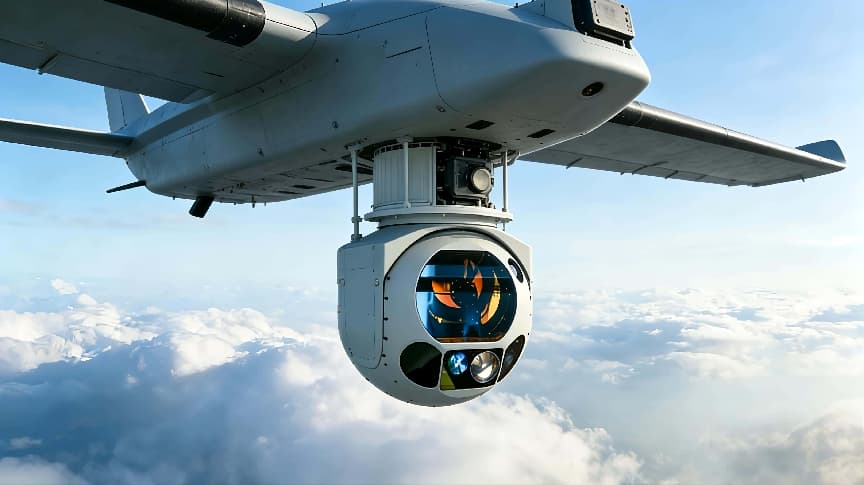
1. الحمولة الضوئية الإلكترونية (الحمولة الضوئية الإلكترونية للمهمة)
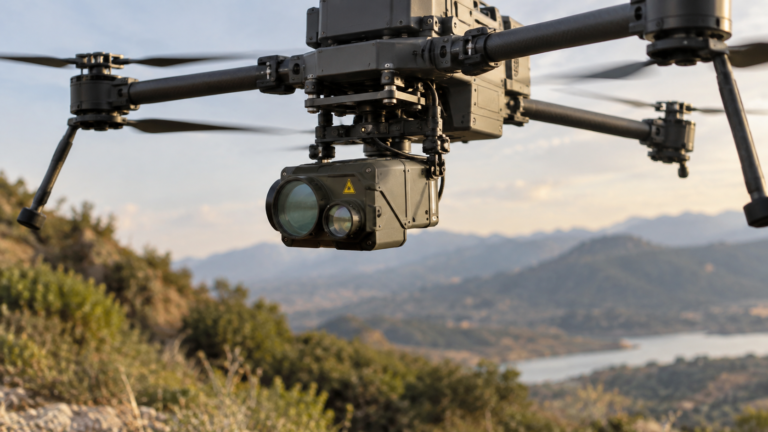
بادئ ذي بدء، يشمل هذا المصطلح فئة واسعة. وعلى وجه التحديد، يشير عمومًا إلى جميع الأجهزة الضوئية الإلكترونية التي يقوم المصنعون بتركيبها على المنصات المتحركة، مثل الطائرات بدون طيار والمركبات البرية غير المأهولة. وتعتمد هذه الأجهزة على التقنيات البصرية والإلكترونية في عمليات التصوير وقياس المسافات وكشف الأهداف. علاوة على ذلك، يمكننا تقسيم الحمولة إلى ثلاثة أشكال مادية: الكبسولات المدمجة، والوحدات الوظيفية المنفصلة، ووحدات الكاميرات البسيطة. وتغطي هذه الأشكال مجتمعة سيناريوهات تتراوح من الاستخدامات الاستهلاكية إلى الاستخدامات الصناعية.
2. وحدة ضوئية إلكترونية
علاوة على ذلك، فإن الكبسولة الضوئية الإلكترونية هي حمولة ضوئية إلكترونية متكاملة وشاملة. كما أنها تمثل التكوين السائد للطائرات بدون طيار الصناعية. تضم الكبسولة محور دوران مُثبَّتًا، ومستشعرات متعددة، ووحدة معالجة بيانات داخل غلاف محكم الإغلاق. ويُقاوم هذا التصميم بفعالية الاهتزازات وانحرافات الوضع أثناء الطيران. وبالتالي، فإن تعقيدها التقني وأدائها العام يفوقان بكثير تلك الخاصة بالوحدات المنفصلة.
في الاستخدام العامي اليومي، غالبًا ما يبسط الناس هذه المصطلحات. ومع ذلك، في السياقات الرسمية — مثل مناقصات المشاريع، والعروض الفنية، وشراء المعدات — يجب التمييز بدقة بين أشكالها ووظائفها.
02. البنية الأساسية: ثلاثة مستشعرات رئيسية + أنظمة مساعدة
نظرة عامة على البنية الشاملة
عادةً ما تعتمد الحمولات الضوئية الإلكترونية الصناعية الشائعة بنية دمج ثلاثية المستشعرات. تجمع هذه البنية بين الضوء المرئي والأشعة تحت الحمراء غير المبردة وقياس المسافة بالليزر. ويكمل هذه المستشعرات محور دوران مُثبَّت عالي الدقة ووحدة معالجة البيانات. ويتمتع كل مكون من مكونات الأجهزة بمواصفات تقنية وأدوار واضحة، وتشكل هذه المكونات مجتمعةً العامل الرئيسي الذي يميز الأداء.
01 وحدة التصوير بالضوء المرئي
بادئ ذي بدء، تعمل كاميرا الضوء المرئي كمستشعر أساسي للعمليات النهارية. وتشتمل التكوينات الصناعية الشائعة على عدسة ذات تكبير بصري يتراوح بين 20 و30 ضعفًا مقترنة بشرائح تصوير عالية الدقة. وتشمل مزايا هذا الإعداد الحصول على صور نهارية واضحة وقدرة عالية على التعرف على تفاصيل الهدف. ونتيجة لذلك، تتيح الوحدة الكشف عن عيوب الخطوط وعيوب أسطح المعدات والمشكلات الأخرى المرئية من مسافات بعيدة. ولذلك، فهي تُعد الإعداد الأساسي للفحص النهاري والمراقبة الروتينية.
02 وحدة تصوير حراري بالأشعة تحت الحمراء غير المبردة
بالإضافة إلى ذلك، تعمل هذه الوحدة في النافذة الجوية للأشعة تحت الحمراء التي تتراوح بين 8 و14 ميكرومتر. وهي العامل الرئيسي الذي يتيح التشغيل على مدار الساعة طوال أيام الأسبوع وفي جميع الأحوال الجوية. والمعلمة الحاسمة هنا هي NETD (فرق درجة الحرارة المكافئ للضوضاء). تصل قيمة NETD في المعدات الصناعية الشائعة إلى ≤ 50 mK. وكلما انخفضت قيمة NETD، زادت الحساسية الحرارية، مما يسمح للكاشف بتمييز الفروق الطفيفة في درجات الحرارة. علاوة على ذلك، يمكن للأشعة تحت الحمراء اختراق الظلام والمطر والضباب والدخان. وبالتالي، يمكنها الكشف بدقة عن مصادر الحرائق والمعدات التي ترتفع درجة حرارتها بشكل مفرط والأهداف المخفية. ويستخدمها المصنعون على نطاق واسع في مجال الوقاية من الحرائق والأمن الليلي وفحص العيوب الحرارية في معدات الطاقة. وحاليًّا، تهيمن الأشعة تحت الحمراء غير المبردة على التطبيقات الصناعية المدنية، حيث توفر تشغيلًا فوريًّا واستهلاكًا منخفضًا للطاقة وموثوقية عالية.
03 وحدة قياس المسافات بالليزر
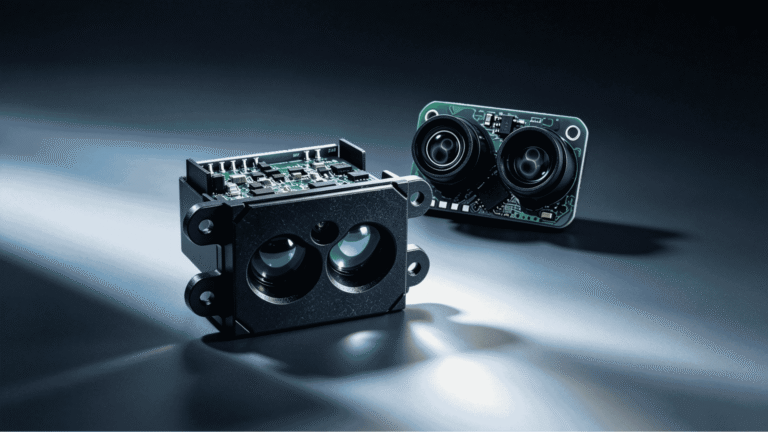
علاوة على ذلك، توفر هذه الوحدة إحداثيات دقيقة لمسافات الأهداف، مما يجعلها عنصراً أساسياً في عمليات تحديد المواقع الصناعية. وتستخدم الصناعة حالياً ثلاثة أطوال موجية رئيسية، تختلف اختلافاً كبيراً من حيث السلامة والأداء.
- ليزر إيريديوم:زجاج بطول موجي 1535 نانومتر – يتوافق هذا الليزر مع معيار GB 7247.1-2012 (المكافئ لمعيار IEC 60825-1) من الفئة 1 الآمنة على العين. وفي ظل الاستخدام العادي، لا يتسبب التعرض المباشر للشعاع في إتلاف شبكية العين البشرية. ولذلك، فهو الخيار المفضل في البيئات المزدحمة وعمليات الفحص الروتينية. وتشمل المواصفات النموذجية نطاق قياس يتراوح بين 50 و5000 متر، ودقة على كامل النطاق ≤ ±1 متر، ومعدل إصابة ≥ 98 %.
- أشعة الليزر ذات الطول الموجي 905 نانومتر / 1064 نانومتر – تُصنف معظم هذه الليزرات ضمن الفئة 3R أو الفئة 4، وهي قد تسبب تلفًا في العين. وهي مناسبة فقط للاستخدامات المغلقة أو غير المأهولة أو الخاصة. وفي القطاعات المدنية التي تعمل على ارتفاعات منخفضة، يجري استبدالها تدريجيًّا بليزرات ذات طول موجي يبلغ 1535 نانومتر.
04 نظام تثبيت وتوجيه عالي الدقة ومُثبَّت
أثناء الطيران، تتعرض الطائرات بدون طيار للاهتزازات وتغيرات في الوضع، مما يجعل الحامل المتوازن عنصرًا أساسيًا لضمان استقرار البيانات. تتوفر الحافظات الضوئية الإلكترونية ذات الجودة الصناعية بتكوينات ثنائية المحاور وثلاثية المحاور. وتصل دقة التثبيت فيها إلى ±0.02° إلى ±0.03°. يدعم محور الاتجاه (azimuth) دورانًا مستمرًا بزاوية 360°، بينما يغطي محور الميل (pitch) نطاقًا يتراوح من -30° إلى +120°. تضمن هذه الميزات الحصول على صور وبيانات قياس المسافات مستقرة مع الحد الأدنى من الاهتزاز.
بالإضافة إلى ذلك، تشتمل الوحدة على وحدة تحكم رئيسية. تدعم هذه الوحدة بروتوكولات متعددة لإخراج البيانات، بما في ذلك RTSP وUART وRS422. كما أنها متوافقة مع محطات التحكم الأرضية وأنظمة التحكم الشائعة الاستخدام.
03. القدرات الأساسية: دمج ثلاثة أجهزة استشعار لإنشاء “عيون ذكية” تعمل في جميع الأحوال الجوية”
ما الذي تعنيه تقنية «Tri-Sensor Fusion» حقًّا؟
لا يُعد دمج المستشعرات الثلاثة مجرد مجموعة من الأجهزة فحسب، بل هو تكامل تكنولوجي يجمع بين التزامن الزماني والمكاني للمستشعرات المتعددة وربط البيانات. ويمنح هذا التكامل الحمولة الضوئية الإلكترونية أربع قدرات أساسية هي:
- التشغيل في جميع الأحوال الجوية – يعتمد النظام على الضوء المرئي لإجراء عمليات رصد عالية الدقة خلال النهار. أما في الليل أو في الظروف الجوية السيئة، فيتحول إلى التصوير بالأشعة تحت الحمراء. ونتيجة لذلك، يتغلب على القيود التي يفرضها الضوء والظروف الجوية.
- التحديد الدقيق للموقع – يجمع هذا النظام بين الأشعة تحت الحمراء والضوء المرئي لتحديد الهدف، ويستخدم تقنية قياس المسافة بالليزر للحصول على إحداثيات المسافة بدقة. ويحقق هذا التكامل عملية متكاملة للتعرف على الهدف وتحديد موقعه.
- التتبع الذكي المدعوم بالذكاء الاصطناعي – تدعم الأجهزة الصناعية الشائعة التعرف على أهداف متعددة وتتبعها. فهي قادرة على تحديد هوية الأفراد والمركبات والأجسام الأخرى في آن واحد. علاوة على ذلك، يمكنها الاستمرار في التتبع حتى بعد انقطاع مؤقت في الرؤية (لمدة تقارب ثانيتين). وتُعد هذه القدرة مناسبة لسيناريوهات الأمن والبحث والإنقاذ.
- القدرة على التكيف البيئي – تعمل المنتجات القياسية ذات الجودة الصناعية في درجات حرارة تتراوح بين -10 درجة مئوية و+55 درجة مئوية (التخزين: -20 درجة مئوية إلى +60 درجة مئوية). وتتمتع هذه المنتجات بدرجة حماية IP54. كما أنها اجتازت اختبارات الاهتزاز والصدمات وفقًا لمعايير MIL-STD-810G وسلسلة GJB. وبالتالي، فهي تتكيف جيدًا مع البيئات الخارجية القاسية، بما في ذلك درجات الحرارة القصوى والعواصف الرملية.
04. السيناريوهات الرئيسية للتطبيق
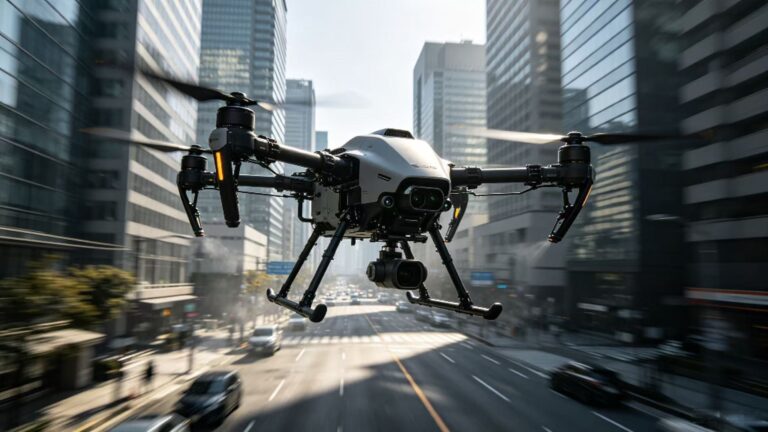
بفضل قدراتها القوية على صعيد الأجهزة، تمكنت الحمولة الضوئية الإلكترونية من التغلغل بعمق في مختلف قطاعات الاقتصاد المتعلق بالطيران على ارتفاعات منخفضة. وفيما يلي بعض التطبيقات النموذجية:
- فحص خطوط الكهرباء – يكتشف الضوء المرئي الخيوط المقطوعة وتلف العوازل. ويحدد الأشعة تحت الحمراء مخاطر ارتفاع درجة الحرارة. ويقوم الليزر بوضع علامات دقيقة على الأبراج ونقاط الأعطال. وتتيح هذه القدرات مجتمعة إجراء فحص شامل للخطوط.
- الوقاية من حرائق الغابات – تعمل الأشعة تحت الحمراء على الكشف عن بعد عن اللهب المكشوف والحرائق التي تحترق ببطء. ويمكنها التمييز بين النباتات العادية ومصادر الحرارة العالية. ويحدد الليزر إحداثيات الحريق للمساعدة في تخطيط مسار عمليات إطفاء الحرائق.
- البحث والإنقاذ في حالات الطوارئ – يقوم النظام بالتبديل بين الوضع النهاري والوضع الليلي. كما يحدد مواقع الأشخاص المحاصرين في بيئات معقدة مثل الجبال والأطلال وفي الليل.
- أمن الحدود / أمن المنشآت – يوفر نظام المراقبة على مدار الساعة طوال أيام الأسبوع. فهو يكتشف المتسللين تلقائيًا ويتتبعهم باستمرار، مما يسهم في تحسين كفاءة الإجراءات الأمنية.
05. ملخص عن القطاع والتعاون
الاقتصاد المتنامي في المناطق المنخفضة الارتفاع
باعتبارها صناعة ناشئة رئيسية في إطار التنمية الوطنية، تواصل «الاقتصاد الجوي المنخفض الارتفاع» توسيع نطاق تطبيقات الطائرات بدون طيار الصناعية. وباعتبارها المعدات الاستشعارية الأساسية، تتطور تكنولوجيا الحمولات الضوئية الإلكترونية نحو التصغير، وزيادة الحساسية، والذكاء، وتعزيز السلامة.
نصائح مهمة بشأن الاختيار
هناك فارق كبير في الأداء بين الوحدات البسيطة والأجهزة ذات الجودة الصناعية. عند اختيار المعدات، لا تقتصر على النظر إلى السعر فقط. بل يجب عليك مطابقة المعلمات ومستويات السلامة والقدرة على التكيف مع البيئة مع السيناريوهات المحددة الخاصة بك.
نبذة عن SunFlaser
تعمل شركة SunFlaser منذ سنوات عديدة في مجال أنظمة الليزر والأشعة تحت الحمراء والأنظمة الضوئية الإلكترونية. وبالاستفادة من قدراتنا المتكاملة رأسياً في مجالي البحث والتطوير والتصنيع، نقدم وحدات قياس المسافات بالليزر ذات الطول الموجي 1535 نانومتر التي طورناها بأنفسنا، ووحدات الأشعة تحت الحمراء غير المبردة، ومجموعات كاملة من الوحدات الضوئية الإلكترونية. ونمتلك ما يقرب من ألف براءة اختراع. كما أن منتجاتنا حاصلة على شهادات ISO 9001 وFCC وFDA وCE، وتفي بالمعايير البيئية العسكرية والمدنية على حد سواء.
التخصيص والدعم
نحن نقدم معدات ضوئية إلكترونية قياسية، بالإضافة إلى خدمات تخصيص كاملة وفقًا لمعايير OEM/ODM. تتوافق منتجاتنا مع الطائرات بدون طيار، والأجهزة المثبتة على المركبات، والأجهزة المحمولة باليد، وغيرها من المنصات. إذا كانت لديكم احتياجات تتعلق باختيار الحمولة الضوئية الإلكترونية، أو تخصيص الحلول، أو الاستشارة الفنية، فلا تترددوا في الاتصال بنا بشكل خاص للحصول على كتيبات المنتجات التفصيلية وتقارير الاختبار.
 English
  العربية
  Français