
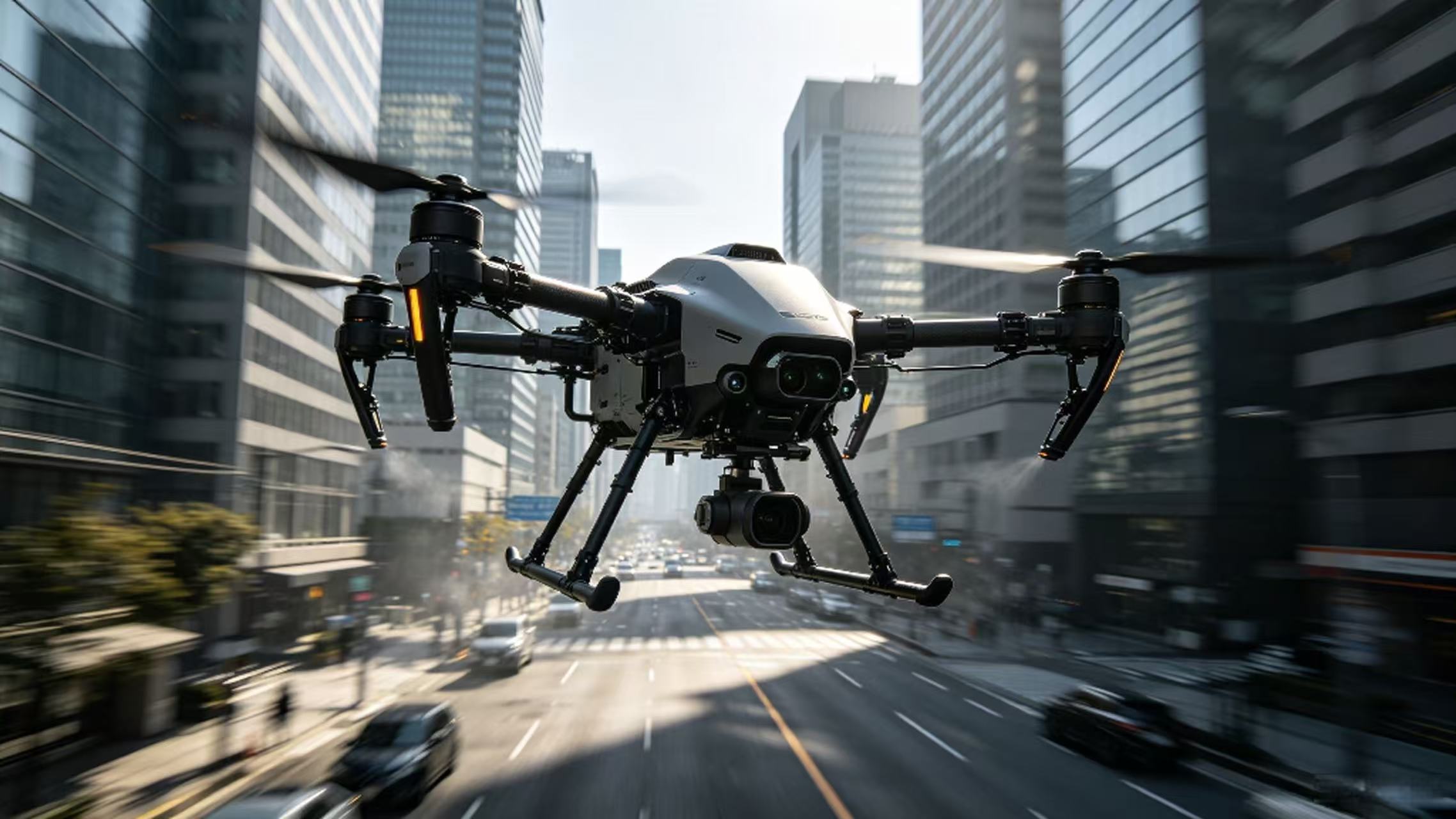

بالنسبة للعاملين في مجال التفتيش والأمن باستخدام الطائرات بدون طيار الصناعية، فمن المحتمل أنكم واجهتم مواقف مثل هذه:
- عند التكبير إلى 30 ضعفًا لفحص البرج، تهتز الصورة بشدة لدرجة أنه يكاد يكون من المستحيل تمييز عيوب البراغي.
- عند رصد الأهداف من مسافات بعيدة، تتقلب بيانات قياس المسافة بالليزر بمقدار عدة أمتار.
- في الليل، لا تتطابق علامة التصويب في الصورة الحرارية بالأشعة تحت الحمراء مع نقطة قياس درجة الحرارة الفعلية.
قد يعزو الكثيرون السبب إلى دقة الكاميرا غير الكافية أو عدم استقرار التحكم في الطيران. غير أن المشكلات الجوهرية تكمن في الواقع في دقة التثبيت واستقرار المحور البصري. وهذه هي الفجوة الأساسية بين الحاويات المخصصة للاستخدام الاستهلاكي وتلك المخصصة للاستخدام الصناعي. كما أنها المقياس الرئيسي الذي يحدد الكفاءة التشغيلية الفعلية للحمولات الضوئية الإلكترونية.
أولاً: الأسباب الجذرية الثلاثة لـ“التصوير غير الواضح والقياس غير الدقيق”
1. عدم كفاية دقة التثبيت الميكانيكي لنظام الجيمبال: السبب المباشر لاهتزاز الصورة
بادئ ذي بدء،, يعمل مبدأ التثبيت في الكبسولة الضوئية الإلكترونية من خلال استخدام جيروسكوبات مدمجة لاستشعار اهتزازات وضع الطائرة بدون طيار واضطرابات تدفق الهواء في الوقت الفعلي. ثم يعمل النظام على موازنة هذا الانحراف عن طريق الدوران العكسي للمحرك للحفاظ على ثبات اتجاه العدسة. دقة التثبيت هي المعلمة الأساسية التي تقيس تأثير التعويض هذا. وعادةً ما يعبر المهندسون عنها بالدرجات (°) أو الميليراديان (mrad). فكلما انخفضت القيمة، زادت درجة الاستقرار.
ما يغفل عنه الكثيرون وهو أنه كلما زادت نسبة التكبير، زادت شدة التضخيم البصري للاهتزاز. على سبيل المثال، عند التكبير البصري 30x، يبلغ مجال الرؤية الأفقي عند الطرف المقرب حوالي 2.3° فقط. وإذا كانت دقة تثبيت المحورين (الجمبال) تبلغ 0.1° فقط، فإن اهتزازًا واحدًا سيؤدي إلى إزاحة الهدف بما يقارب 1/20 من عرض الإطار. وعند التكبير العالي، فإن أدنى انحراف زاوي يجعل الصورة “تهتز بشدة لدرجة يصعب مشاهدتها”.”
هذا قيد شائع في وحدات التثبيت المخصصة للاستخدام الاستهلاكي. وعادةً ما تتراوح دقة التثبيت فيها بين 0.1° و0.3°. وهذا يكفي فقط للتصوير بزاوية واسعة. ومع ذلك، غالبًا ما تتطلب عمليات الفحص الصناعي وسيناريوهات الأمن طويلة المدى دقة تثبيت تبلغ 0.05 درجة أو أفضل. وقد تتطلب تطبيقات التكبير العالي دقة من فئة 0.02 درجة للحفاظ على صور واضحة وإبقاء الهدف داخل الإطار.
2. ضعف اتساق المحور البصري بين أجهزة الاستشعار المتعددة: السبب الجذري لانحراف تحديد المواقع
علاوة على ذلك،, تتميز معظم الكبسولات الصناعية اليوم بتكوين مزود بمستشعرين أو ثلاثة مستشعرات (الضوء المرئي + الأشعة تحت الحمراء + قياس المسافة بالليزر). ولكل مستشعر مركزه البصري (محوره البصري) الخاص به. ولا يمكن للنظام أن يحقق مبدأ “المكان الذي يشير إليه التقاطع هو المكان الذي يتم فيه قياس المسافة ودرجة الحرارة” إلا عندما تكون جميع المحاور البصرية متوازية تمامًا وموجهة في محاذاة مثالية.”
تتضخم الأخطاء الناتجة عن انحراف المحور البصري بشكل أسي مع زيادة المسافة. عادةً ما يبلغ انحراف شعاع الليزر المستخدم في قياس المسافة 0.3–0.9 ميللي راديان فقط. إذا انحرف المحور البصري بمقدار 0.1 ميللي راديان، فسوف ينحرف الهدف بمقدار 10 سم عند مسافة 1000 متر. وعند مسافة 5 كيلومترات، يصل الانحراف إلى 50 سم – وهو ما يعتبر غير كافٍ على الإطلاق لتحديد الموقع بدقة.
مشكلة أكثر تعقيدًا هو الانحراف اللاحق للمعايرة. يقوم العديد من المصنعين بمعايرة المحاور البصرية في المصنع. ومع ذلك، بعد التعرض المطول للاهتزازات عالية التردد وتقلبات درجات الحرارة الناتجة عن الطائرات بدون طيار، تتراخى المكونات الهيكلية وتتغير موضع العناصر البصرية. وهذا يؤدي تدريجيًا إلى تدهور محاذاة المحور البصري. ولهذا السبب تعمل العديد من الحاملات بشكل مثالي عندما تكون جديدة، لكنها تبدأ في مواجهة مشكلات “التصويب دون إصابة الهدف” بعد ستة أشهر.
3. انحراف المعلمات في البيئات القاسية: نمط الفشل الخفي في العمليات الميدانية
بالإضافة إلى ذلك،, تعمل الطائرات بدون طيار الصناعية في جميع الفصول. ويمكن أن تصل درجات الحرارة داخل قمرة القيادة إلى 60 درجة مئوية في الصيف، وتنخفض إلى ما دون درجة التجمد في الشتاء، كما تتعرض لرطوبة عالية وضباب ملحي واهتزازات قوية في المناطق الجبلية والساحلية. وتُعد هذه العوامل البيئية “القاتلة الخفية” لأداء أنظمة التثبيت والمحور البصري.
تأثير الانجراف الحراري: تتوسع المكونات الهيكلية المعدنية والبلاستيكية وتتقلص مع تغير درجة الحرارة. ويؤدي ذلك إلى حدوث إزاحة نسبية في العدسات البصرية وأجهزة الاستشعار، مما يؤدي مباشرةً إلى انحراف المحور البصري. وفي الوقت نفسه، يتغير أداء الجيروسكوب والمحرك تبعًا لدرجة الحرارة. وهذا يقلل من دقة تعويض نظام التعليق المتوازن ويضعف فعالية التثبيت.
الإجهاد الناتج عن الاهتزاز: يؤدي الاهتزاز المستمر للمحرك والاهتزازات الهوائية الديناميكية أثناء طيران الطائرات بدون طيار إلى فك البراغي تدريجيًّا، وإزاحة المكونات الملصقة، بل وحتى تحريك العناصر البصرية. وهذا لا يتسبب فقط في اختلال محاذاة المحور البصري، بل قد يؤدي أيضًا إلى تعطل تام للمعدات في الحالات الشديدة.
وبالتالي،, تُظهر العديد من الوحدات التي تتمتع بمواصفات معملية مبهرة أداءً أقل من المتوقع في العمليات الميدانية الفعلية. فدقة التثبيت التي لم يتم التحقق منها بدقة في البيئات القاسية لا تعدو كونها أداءً نظريًا على الورق.
ثانياً: إرشادات الاختيار: كيفية تقييم الأداء الفعلي للثبات والمحور البصري في وحدة «بود»
بالنسبة لشركات تصنيع الطائرات بدون طيار ومزودي خدمات تكامل الأنظمة،, لا ينبغي أن يستند الاختيار فقط إلى “مقدار التكبير” أو “مدى التغطية بالكيلومترات”. بل يجب التركيز على هذه الأبعاد الثلاثة:
- اطلع على تفاصيل مواصفات الدقة: تأكد مما إذا كانت دقة التثبيت محددة بالقيمة المتوسطة الجذرية المربعة (RMS) أم من الذروة إلى الذروة. وتحقق أيضًا مما إذا كانت تميز بين محاور الانحدار والانقلاب والانحراف. وعادةً ما تكون دقة التثبيت على محور الانحراف أقل قليلاً من دقة التثبيت على محوري الانحدار والانقلاب. وغالبًا ما يحتوي الرقم الوحيد المسمى “الدقة الشاملة” على ادعاءات مبالغ فيها.
- التحقق من اختبارات الموثوقية البيئية: تأكد من أن الوحدة قد اجتازت اختبارات التغيرات الدورية في درجات الحرارة واختبارات الاهتزاز/الصدمات (مثل MIL-STD-810G). ابحث عن بيانات استقرار المحور البصري بعد التعرض لتغيرات درجات الحرارة والاهتزازات، وليس فقط البيانات المختبرية التي تم الحصول عليها في درجة حرارة الغرفة.
- إجراء عملية التحقق من صحة السيناريوهات الواقعية:
- اختبار الاستقرار: حدد هدفًا بعيدًا، وقم بالتكبير إلى أقصى درجة تكبير بصري، وقم بمحاكاة ظروف الرياح العاتية، ثم راقب مدى اهتزاز الصورة وقدرة الكاميرا على تثبيت الهدف.
- اختبار المحور البصري: قم بتوجيه القناتين المرئية والأشعة تحت الحمراء نحو الهدف نفسه وتحقق من اتساق قراءات قياس المسافة بالليزر. كرر الاختبار بعد التعرض لبيئات ذات درجات حرارة عالية/منخفضة للتحقق من التباين في الانحراف.
ثالثًا: حلول التثبيت ذات المستوى الصناعي: تحسين السلسلة بأكملها بدءًا من البنية وصولاً إلى الخوارزمية
للتعامل مع تلبيةً للمتطلبات الصناعية الأساسية المتمثلة في الاستقرار العالي والدقة العالية والموثوقية العالية، تعالج الكبسولات الضوئية الإلكترونية من سلسلة SunFlaser SFSKY بشكل منهجي النقاط الثلاث التي تشكل مصدر القلق — اهتزاز الصورة، وانحراف تحديد الموضع، والانجراف البيئي — من خلال تحسينات في الهيكل الميكانيكي وخوارزميات التحكم والتصميم البصري.
1. محور دوران مستقر عالي الدقة + خوارزمية FOC التكيفية – تحقيق استقرار من فئة ±0.02°
بادئ ذي بدء،, تُزوَّد سلسلة SFSKY بجيروسكوبات ألياف ضوئية عالية الدقة ومشفرات مغناطيسية عالية الدقة. وتوفر هذه الأجهزة ترددات أعلى لأخذ عينات الوضع، مما يتيح رصد الاهتزازات الدقيقة عالية التردد والاضطرابات في تدفق الهواء التي تتعرض لها الطائرات بدون طيار بدقة. علاوة على ذلك،, ونقوم بدمجها مع خوارزمية «التحكم الموجه للحقل» (FOC) التكيفية التي طورناها بأنفسنا. ويؤدي ذلك إلى تقليل زمن استجابة تعويض المحرك وزيادة دقة التحكم في عزم الدوران. ونتيجة لذلك،, نحقق دقة تثبيت تبلغ ±0.02° في محوري الميل والانحراف، و±0.03° في محور الانحراف الجانبي.
وبالتالي،, حتى عند استخدام الزوم البصري الكامل بمعدل 30x، يظل الهدف متمركزًا بثبات في الإطار دون فقدان التفاصيل بسبب الاهتزاز. وهذا يحسّن بشكل كبير من الكفاءة التشغيلية والدقة في عمليات التتبع الأمني وتحديد عيوب الفحص.
2. المعايرة الدقيقة للمحور المشترك + هيكل عالي الصلابة – ثبات المحور البصري على المدى الطويل
قبل مغادرة المصنع،, تخضع كل وحدة لعدة جولات من المعايرة الدقيقة للمحور البصري. ويضمن ذلك الحفاظ على التوازي المحوري بين الضوء المرئي والتصوير الحراري بالأشعة تحت الحمراء وقياس المسافات بالليزر بدقة فائقة — مما يضمن أن “ما تراه هو ما تقيسه”.”
وفي الوقت نفسه،, نحن نستخدم تصميمًا هيكليًّا متكاملًا عالي الصلابة. وهذا يقلل إلى أدنى حد من التشوه الهيكلي والإزاحة النسبية الناجمة عن الاهتزاز. وتخضع الوحدة بأكملها لاختبارات موثوقية صارمة تتعلق بالاهتزاز والصدمات، وتستوفي المعايير البيئية العسكرية. ونتيجة لذلك،, حتى بعد التشغيل المتواصل لفترات طويلة وبوتيرة عالية، يظل انحراف المحور البصري أقل بكثير من المتوسط السائد في القطاع. وهذا يقلل بشكل كبير من تكاليف الصيانة المتعلقة بإعادة المعايرة في المصنع.
3. تقنية التجويف الديناميكي المُثبَّت حراريًّا – أداء لا يُضحي به على نطاق واسع من درجات الحرارة
في حالات درجات الحرارة المرتفعة أو المنخفضة في الأماكن المفتوحة،, يتميز النظام البصري من سلسلة SFSKY بتصميم تجويف ديناميكي مستقر حرارياً. ويستخدم هذا النظام مطابقة المواد والتحسين الهيكلي للتعويض بشكل فعال عن إزاحة العناصر البصرية الناتجة عن التغيرات في درجة الحرارة. وبالتالي،, وهذا يقلل بشكل كبير من تأثير الانجراف الحراري على المحور البصري والتصوير.
المسلسل الكامل يدعم درجات حرارة التشغيل من -10 درجة مئوية إلى +55 درجة مئوية، ودرجات حرارة التخزين من -20 درجة مئوية إلى +60 درجة مئوية. سواء كان العمل في ظروف شتوية قارصة البرودة أو تحت أشعة الشمس الحارقة في الصيف،, تظل دقة التثبيت ودقة تحديد المسافة ثابتتين – ولا يحدث ما يُعرف بـ“الدقة في درجة حرارة الغرفة مع حدوث انحراف في البرد”.”
في الوقت الحالي،, تغطي سلسلة SunFlaser SFSKY مجموعة كاملة من المنتجات، بدءًا من الطرز المصغرة المزودة بمستشعرين وصولًا إلى الطرز بعيدة المدى المزودة بثلاثة مستشعرات. نقدم أوزانًا تتراوح من مئات الجرامات إلى فئة الكيلوغرامات، وهي مناسبة للطائرات بدون طيار متعددة المراوح وذات الأجنحة الثابتة ذات سعات الحمولة المختلفة. بالإضافة إلى ذلك،, نحن ندعم العديد من بروتوكولات التحكم الشائعة، بما في ذلك SBUS وUART وشبكة IP. كما نوفر مجموعة أدوات تطوير برمجيات (SDK) شاملة لمساعدة مصنعي الطائرات بدون طيار ومُدمجي الأنظمة على تحقيق التكامل والنشر السريعين.
الكلمة الختامية
باختصار،, بالنسبة لتطبيقات الطائرات بدون طيار الصناعية، لم تكن القيمة الأساسية للوحدة البصرية الإلكترونية أبدًا تتمثل في “عدد بكسلات أعلى” أو “تكبير أكبر”. بل تكمن في القدرة على الحفاظ على إدراك مستقر ودقيق في بيئات خارجية معقدة ومتغيرة باستمرار. تعد دقة التثبيت واستقرار المحور البصري الركائز الأساسية لهذه الموثوقية – وهما المعياران الملموسان اللذان لا يجب المساومة عليهما عند الاختيار.
بالاستفادة من سنوات من الخبرة المتراكمة في مجال التكنولوجيا الضوئية الإلكترونية المتكاملة بين القطاعين العسكري والمدني،, طورت شركة SunFlaser قدرات داخلية تشمل سلسلة الإنتاج بأكملها، بدءًا من التصميم البصري وخوارزميات التحكم وصولاً إلى الموثوقية الهيكلية. ونتيجة لذلك،, نقدم حلولًا مستقرة وموثوقة للحمولة الضوئية الإلكترونية المخصصة للطائرات بدون طيار الصناعية. ونتيح إمكانية الرصد الدقيق في مجالات فحص خطوط الكهرباء، والمراقبة الأمنية، وعمليات الإنقاذ في حالات الطوارئ، وغيرها من المجالات.
 English
  العربية
  Français