




In the dynamic landscape of solid-state laser technology, the 1535nm erbium glass laser has emerged as a standout solution, celebrated for its eye-safe operation, compact design, and consistent performance. As an Er:glass laser (erbium-doped glass laser) operating at a critical eye-safe wavelength, it has become indispensable across industries like aerospace, defense, and meteorology. This guide dives deep into what a 1535nm erbium glass laser is, its core features, complete technical specifications (covering 100μJ to 1000μJ variants), and real-world applications—all optimized for clarity and searchability.
What Exactly Is a 1535nm Erbium Glass Laser?
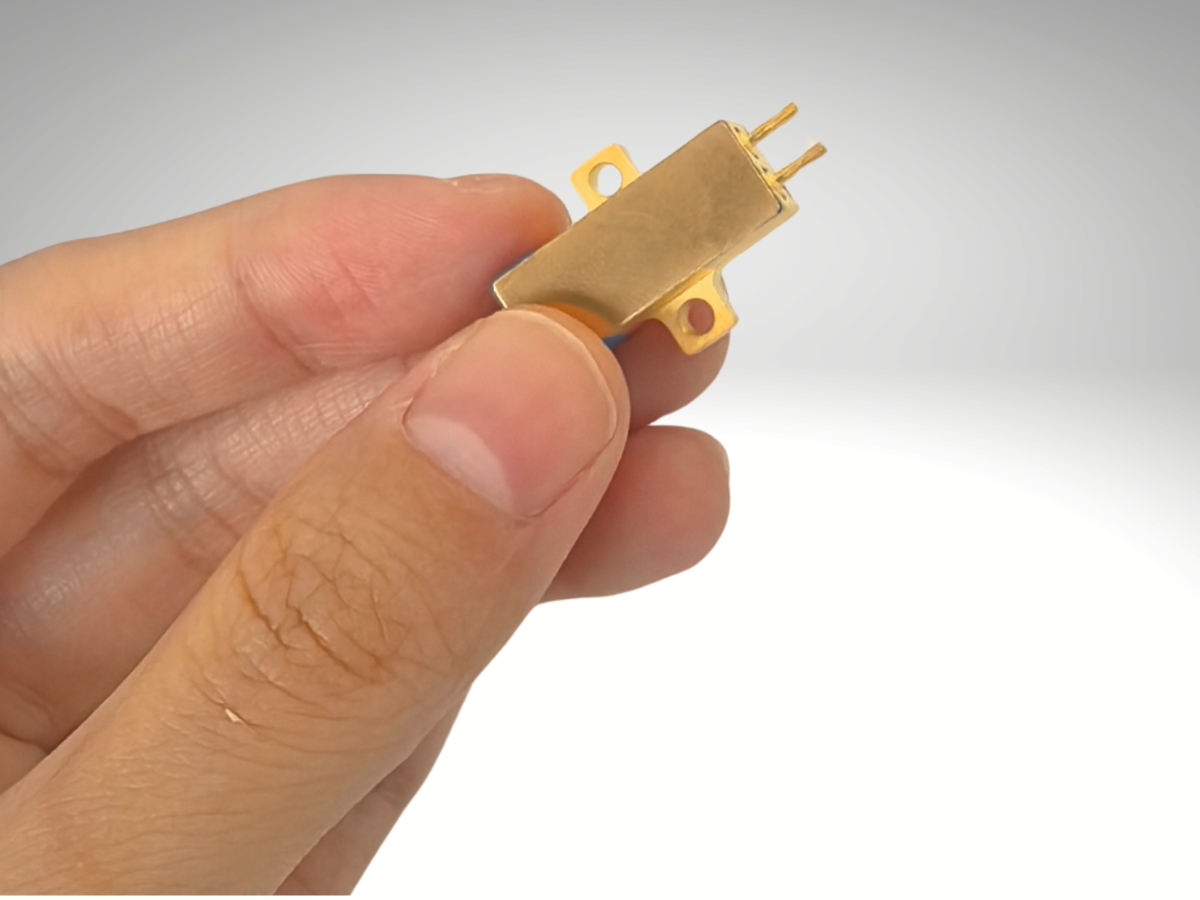
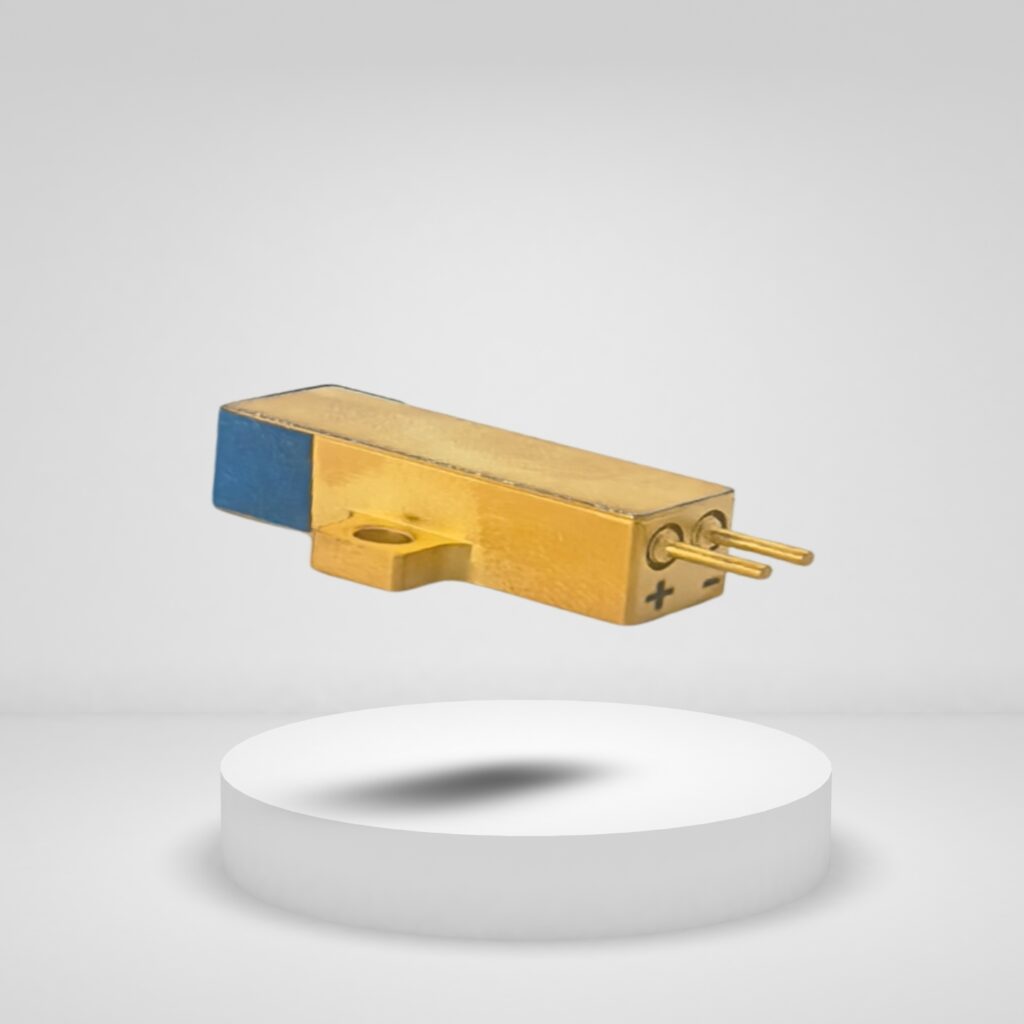
A 1535nm erbium glass laser is a solid-state laser that uses erbium-doped glass (Er:glass) as its gain medium, emitting laser light at 1535 nanometers. This wavelength is classified as “eye-safe” because it is absorbed by the eye’s cornea and lens, never reaching the retina—eliminating retinal damage risks associated with shorter-wavelength lasers. What distinguishes this erbium glass laser is its passive Q-switching technology, which delivers clean, tail-free pulses and stable energy output. Designed for seamless integration, it features a compact, all-in-one package that combines the semiconductor pump module and laser crystal, making it ideal for space-constrained devices.
Core Features of 1535nm Erbium Glass Lasers
The 1535nm erbium glass laser family stands out for its performance-driven and user-centric features, consistent across all power variants (100μJ to 1000μJ):
- Eye-Safe Operation: The 1535nm wavelength ensures no retinal hazards, critical for field applications and human-proximate use cases.
- Er:glass Passive Q-Switching: Delivers pure, tail-free pulses for reliable, repeatable performance in precision tasks.
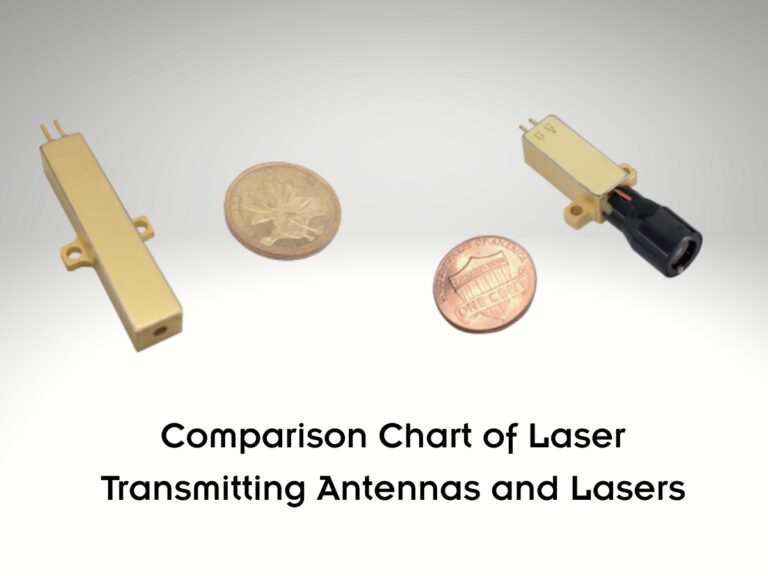
- Ultra-Compact & Lightweight: Dimensions range from 21x8x7mm to 40x9x7.65mm, with weights as low as 10g—perfect for portable and integrated systems.
- Wide Operating Temperature Range: Functions seamlessly from -40℃ to 65℃, thriving in harsh environmental conditions (e.g., outdoor fieldwork, aerospace).
- Exceptional Energy Stability: Boasts a 3% RMS energy stability across all models, guaranteeing consistent output cycle after cycle.
- TEM₀₀ Beam Mode: Ensures superior beam quality for accurate targeting, ranging, and signal transmission.
Complete Technical Specifications (100μJ to 1000μJ Variants)
Below is a comprehensive table of all 1535nm erbium glass laser models, including their full technical parameters (tested at 25℃ room temperature):
| Model | Wavelength (nm) | Single Pulse Energy (μJ) | Pulse Width (ns) | Repetition Rate (Hz) | Operating Current (A) | Full Angle Divergence (mrad) | Beam Mode | Energy Stability (RMS) | Weight (g) | Dimensions (L×W×H, mm) | Operating Temp (℃) | Storage Temp (℃) |
|---|---|---|---|---|---|---|---|---|---|---|---|---|
| SFB100LJ | 1535 | 100 | 5 | 10 | 8 | 10 | TEM₀₀ | 3% | 10 | 21x8x7 | -40~65 | -45~80 |
| SFB200LJ | 1535 | 200 | 5 | 10 | 8 | 10 | TEM₀₀ | 3% | 10 | 21x8x7 | -40~65 | -45~80 |
| SFB300LJ | 1535 | 300 | 5 | 10 | 12 | 8 | TEM₀₀ | 3% | 10 | 25x8x7 | -40~65 | -45~80 |
| SFB400LJ | 1535 | 400 | 6 | 10 | 15 | 8 | TEM₀₀ | 3% | 10 | 28x8x7 | -40~65 | -55~80 |
| SFB500LJ | 1535 | 500 | 6 | 10 | 20 | 8 | TEM₀₀ | 3% | 13 | 32x8x7 | -40~65 | -55~80 |
| SFB800LJ | 1535 | 800 | 8 | 5 | – | – | TEM₀₀ | 3% | – | 40x9x7.65 | -40~65 | -55~80 |
| SFB1000LJ | 1535 | 1000 | 8 | 5 | – | – | TEM₀₀ | 3% | – | 40x9x7.65 | -40~65 | -55~80 |
Note: All specifications are typical values tested at 25℃. Final data is subject to factory test reports. “-” indicates parameters consistent with family standards or not separately specified.
This table covers the full spectrum of 1535nm erbium glass laser options, from the low-power 100μJ SFB100LJ to the high-power 1000μJ (1mJ) SFB1000LJ. Key trends include increasing operating current and slightly larger dimensions with higher pulse energy, while critical performance metrics like beam mode and energy stability remain consistent across all models.
Key Applications of 1535nm Erbium Glass Lasers
The versatility of the 1535nm erbium glass laser—spanning 100μJ to 1000μJ—makes it suitable for diverse high-demand applications:
- Laser Rangefinders: From portable consumer rangefinders (100-200μJ models) to long-range military/aerospace systems (800-1000μJ variants), the eye-safe wavelength and stable pulses enable accurate distance measurement.
- Meteorological Radar: Mid-range models (300-500μJ) enhance weather monitoring by providing precise data on precipitation, cloud cover, and atmospheric dynamics.
- Fuzing Systems: Compact, high-reliability models (all variants) are integrated into aerospace and defense fuzes, delivering consistent performance in high-stress, extreme-temperature environments.
- Industrial Sensing: Low-power models (100-400μJ) are used in precision industrial sensing applications, where safety and compactness are prioritized.
FAQ About 1535nm Erbium Glass Lasers
1. Why is the 1535nm wavelength considered eye-safe?
The 1535nm wavelength is absorbed by the eye’s cornea and lens before reaching the retina, eliminating retinal damage risks. This makes it far safer than shorter wavelengths (e.g., 532nm, 1064nm) used in other lasers.
2. How do the 100μJ and 1000μJ models differ in practical use?
Lower-power models (100-200μJ) are ideal for portable, battery-operated devices (e.g., consumer rangefinders) due to lower current requirements. Higher-power models (800-1000μJ) excel in long-range applications (e.g., military rangefinders, radar) but require more power and slightly larger packaging.
3. Can all 1535nm erbium glass lasers withstand extreme temperatures?
Yes—all models operate reliably from -40℃ to 65℃, making them suitable for outdoor, aerospace, and defense applications where temperature fluctuations are common.
4. What is the beam quality like across all variants?
Every 1535nm erbium glass laser model features a TEM₀₀ beam mode, ensuring tight beam focus and high precision—critical for ranging, radar, and sensing tasks.
5. Are these lasers easy to integrate into existing systems?
Absolutely. Their compact dimensions (as small as 21x8x7mm) and 一体化 (all-in-one) design (semiconductor pump + laser crystal) make integration straightforward for engineers, even in space-constrained devices.
Final Thoughts
The 1535nm erbium glass laser family—covering 100μJ to 1000μJ—offers a versatile, safe, and high-performance solution for industries demanding precision, reliability, and eye safety. From portable consumer devices to rugged military systems, these Er:glass lasers deliver consistent performance across a wide range of operating conditions. Their passive Q-switching technology, TEM₀₀ beam mode, and compact design make them a top choice for engineers worldwide.
For specific use cases, refer to the manufacturer’s factory test reports to ensure the model’s specifications align with your application’s requirements—whether you need a 100μJ portable laser or a 1000μJ long-range solution.

 English