



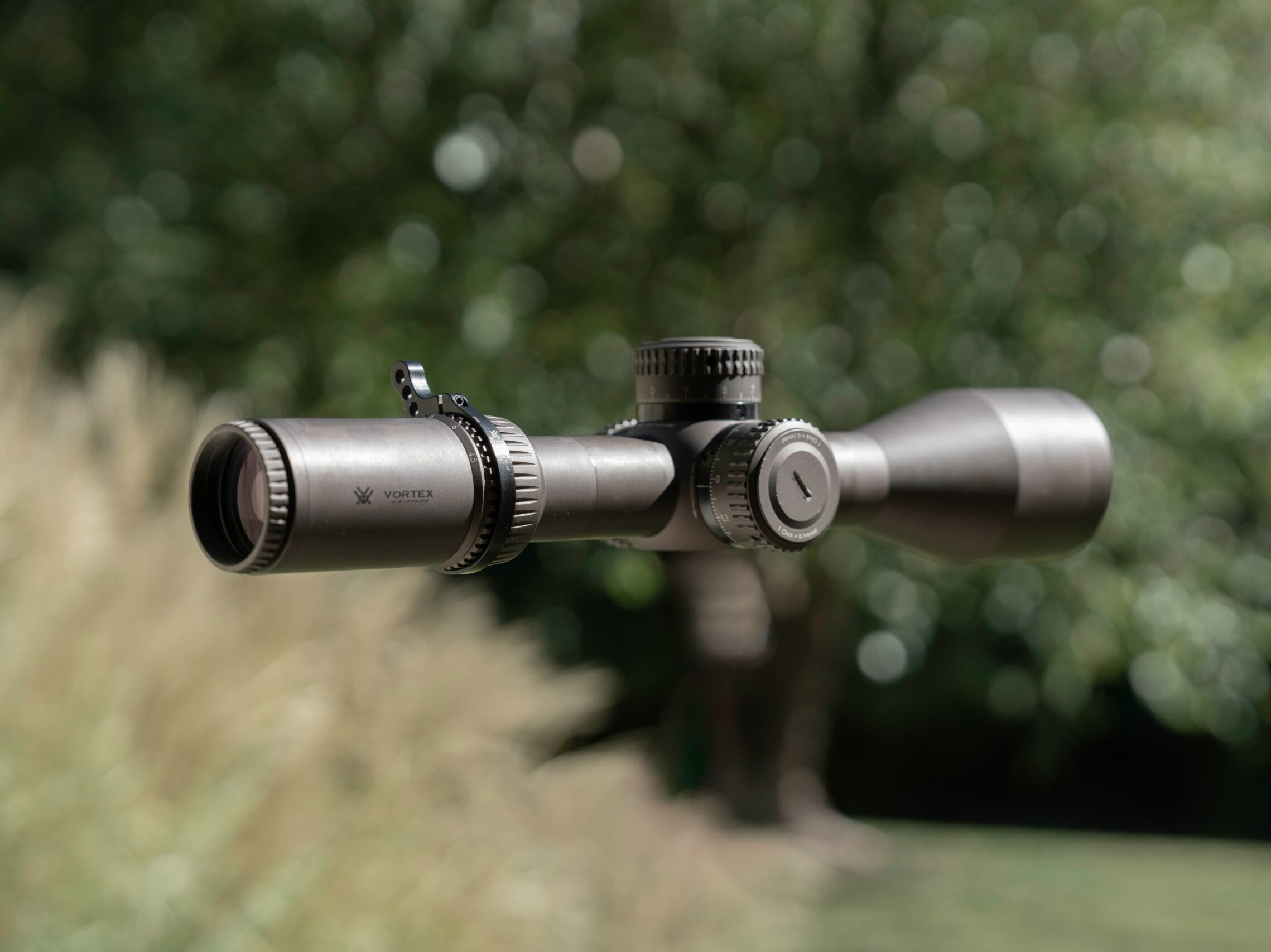

In the worlds of shooting, hunting, and archery, precision is everything. Whether you’re lining up a long-range shot or judging the distance to your prey, guessing can lead to missed opportunities. This is where a reliable laser rangefinder becomes your most trusted tool. But with so many options on the market, how do you find the best rangefinder for hunting, shooting, or your specific needs?
This comprehensive guide will break down everything you need to know. We’ll explore the key features to consider for different activities, from a simple laser measuring tool for general use to specialized devices like a compound bow rangefinder sight.
Understanding the Technology: How Does a Laser Rangefinder Work?
At its core, a range finder uses advanced optics and laser technology to provide incredibly accurate distance measurements. It emits an invisible, eye-safe laser beam towards a target. The device then calculates the time it takes for the beam to bounce back. Using the speed of light, it instantly computes the distance and displays it on a viewfinder or screen. Modern devices can do this in a fraction of a second, providing real-time data when you need it most.
Key Considerations for Your Perfect Device
Not all rangefinders are created equal. Your choice should be driven by your primary activity.
1. For the Long-Range Shooter: Best Laser Rangefinder for Shooting
If precision shooting is your game, you need a device built for performance. Look for:
Maximum Range: You’ll need a model that can accurately range targets at the extreme distances you shoot. Many high-end models offer ranges of 2000+ yards.
Accuracy: The best laser rangefinder for shooting will have an accuracy of +/- 1 yard or better.
Angle Compensation: This is a critical feature, often called “bullet drop compensation.” It calculates the true horizontal distance to a target, not just the line-of-sight distance, which is essential for accurate ballistic calculations.
2. For the Hunter: Best Rangefinder for Hunting
A hunting range finder needs to be tough, fast, and adaptive. Key features include:
Scan Mode: Instead of single measurements, scan mode allows you to pan across a landscape and get continuous distance readings to various objects, perfect for tracking moving game.
Weather Resistance: Your gear must withstand rain, fog, and rough handling. Look for waterproof (IPX7) and ruggedized constructions.
Target Priority Modes: Advanced models can distinguish between a distant deer and the branches in front of it, giving you the correct distance to your actual target.
3. For the Archer: Best Archery Rangefinder with Angle Compensation
Archers face a unique set of challenges, making angle compensation even more critical than for rifle shooters. The arrow’s trajectory is highly parabolic, so a steep angle up or down a tree stand dramatically affects the shot. A dedicated archery rangefinder with angle compensation will provide the “true horizontal distance,” which you can use to aim with your sight pins.
4. For the Purist: The Compound Bow Rangefinder Sight
For the ultimate in integration, some archers opt for a compound bow rangefinder sight. These are specialized sights with a built-in laser measuring tool. They allow for instantaneous ranging and aiming without having to raise a separate device to your eye, shaving off critical seconds when a trophy buck is in range.
5. For Tactical Applications: Rifle Mounted Range Finder
A rifle mounted range finder is a game-changer for tactical shooters and hunters. These devices attach directly to your rifle’s Picatinny rail, aligning with your scope. This setup allows for incredibly fast target acquisition and ranging without changing your shooting position. They are ideal for scenarios where speed and stability are paramount.
Precision Engineering: A Look at Advanced Laser Ranging
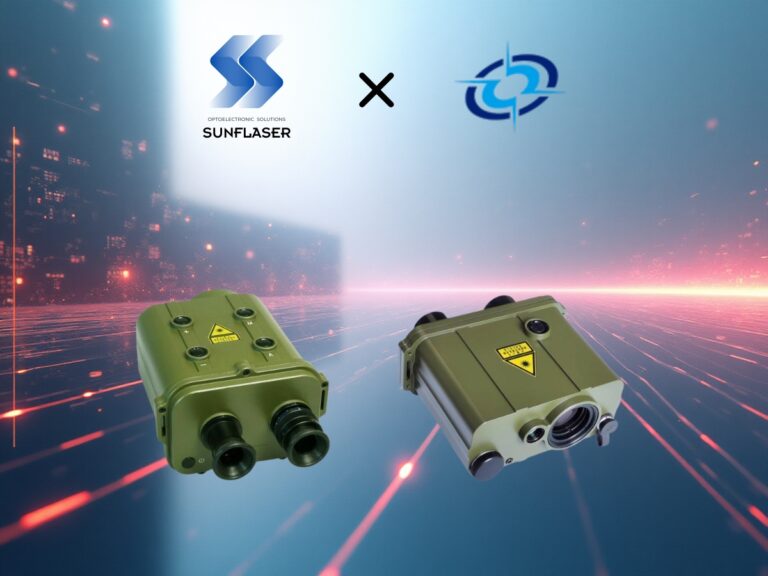
For those who demand the highest level of performance and integration, professional-grade laser rangefinding modules are available. These are the core components used in advanced sporting systems, military applications, and industrial tools. They offer remarkable reliability and can be customized for specific needs.

Take, for example, a module like the SFB2000AW. This isn’t a consumer-grade device you buy off the shelf, but it exemplifies the technology that powers high-end equipment. Here’s a look at its technical capabilities:
| Feature | Specification | Advantage for the User |
|---|---|---|
|
Laser Wavelength |
1535nm (Eye-Safe) |
Safe for use in various environments without risk of eye damage. |
|
Typical Range |
Varies by target reflectivity |
Capable of ranging difficult targets like drones (non-cooperative targets). |
|
Communication |
RS422 / TTL |
Allows for seamless integration with other digital systems like ballistic calculators or scopes. |
|
Distance Gate Function |
Programmable |
Can ignore close-range clutter (e.g., branches) to focus on the primary target. |
|
Operating Temperature |
Wide range (-40°C to +60°C) |
Reliable performance in extreme weather, from freezing winters to hot summers. |
This level of engineering ensures that whether you’re using a commercial hunting rangefinder or a custom-built system, the core technology is built for absolute precision and durability.
Conclusion
Investing in the right laser rangefinder will dramatically improve your accuracy and confidence in the field. Identify your primary use case—be it finding the best rangefinder for hunting, the perfect archery rangefinder with angle compensation, or a specialized rifle mounted range finder—and prioritize the features that matter most. With the right tool in your kit, you can stop guessing and start knowing.
Frequently Asked Questions (FAQ)
Q1: What is the difference between a golf rangefinder and a hunting rangefinder?
While both are laser measuring tools, hunting models typically have longer ranges, are built with camouflage and weather-resistant coatings, and feature advanced modes like “Target Priority” to ignore foreground objects like grass or fences. Golf rangefinders often have “Pin-Seeking” technology to lock onto the highly reflective flag.
Q2: How important is angle compensation for a hunter?
Extremely important, especially for mountain and tree stand hunters. Angle compensation provides the true horizontal distance, which is critical for making an ethical shot with either a rifle or a bow. For archers, an archery rangefinder with angle compensation is essential.
Q3: Can I use a basic laser rangefinder for long-range shooting?
For casual plinking at known distances, a basic model might suffice. However, for serious long-range precision, the best laser rangefinder for shooting will offer superior accuracy, better optics for seeing mirage, and the ability to range targets at extreme distances with high consistency.
Q4: What does a ‘rifle mounted range finder’ offer that a handheld one doesn’t?
The primary advantage is speed. A rifle mounted range finder is always aligned with your scope. This allows you to range and engage a target almost simultaneously without lowering your rifle to use a separate handheld device, which can be crucial in dynamic hunting situations.
Q5: How does a ‘compound bow rangefinder sight’ work?
These integrated systems combine a sight pin and a laser range finder into a single unit mounted on your bow. You look through the sight, use the laser to measure the distance to the target, and the sight automatically adjusts the pin or provides a light indication for the correct holdover, making the shooting process incredibly fast and intuitive.

 English